All Regarding Oil Field Equipment and Pipeline Equipment: Key Insights and Crucial Details
Oil field equipment and pipeline systems play a crucial function in the oil and gas sector. They are necessary for the effective removal and transport of hydrocarbons. Secret elements, such as drilling rigs and storage containers, directly influence operational success. Improvements in innovation guarantee to improve safety and performance. Recognizing these components is vital for any individual entailed in or interested in this complex industry, as it establishes the phase for deeper exploration of industry methods.
Overview of Oil Field Equipment
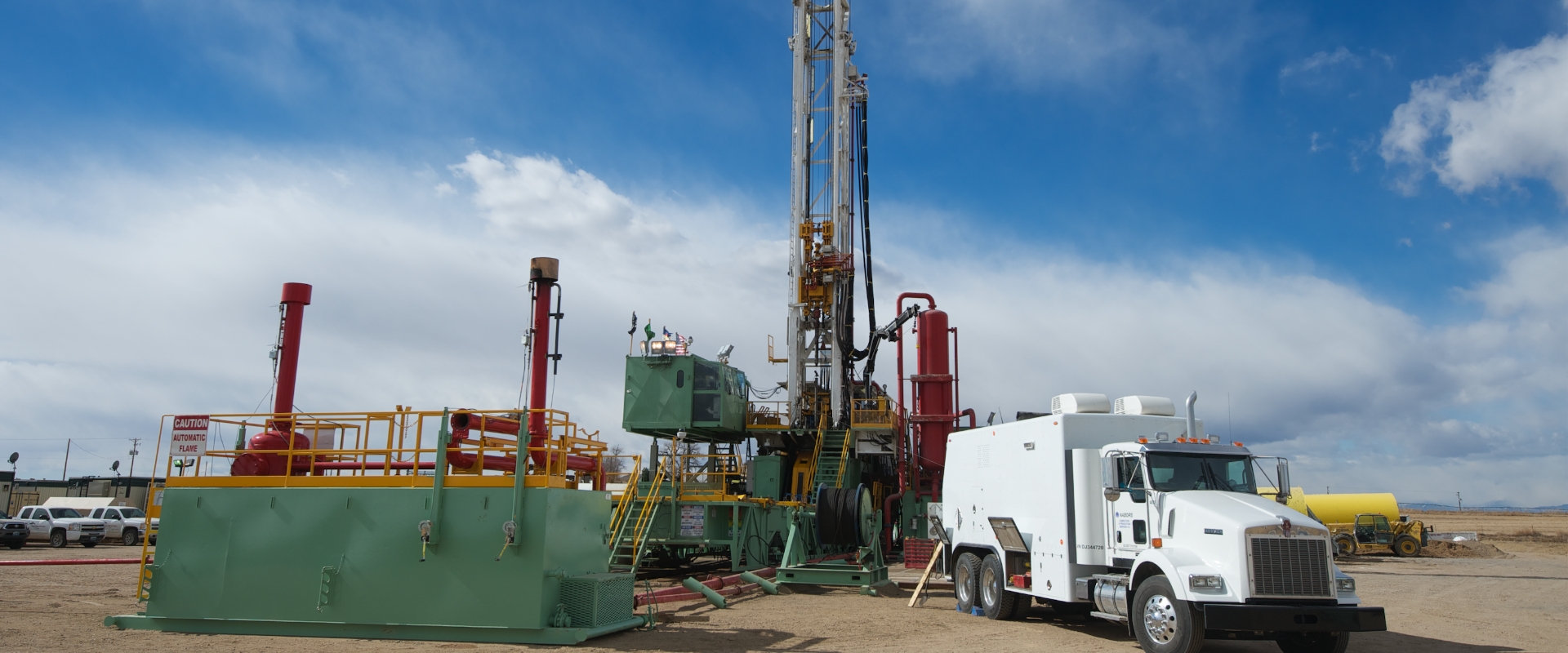
As the demand for oil remains to expand, recognizing the devices used in oil areas comes to be significantly essential. Oil field equipment incorporates a large range of equipment and tools crucial for exploration, extraction, and processing. Secret parts include piercing rigs, which are essential for reaching oil reservoirs, and production devices, such as separators and pumps, that facilitate the removal procedure. Superior Oilfield Rentals. In addition, tank play a substantial function in holding crude oil before transport. Safety devices, consisting of blowout preventers and pressure assesses, guarantees operational security and performance. Each piece of devices features cohesively to maximize manufacturing and keep efficient operations. Familiarity with this tools is necessary for specialists in the sector to ensure successful operations and adherence to security criteria
Kinds Of Drilling Rigs and Their Applications
Drilling rigs work as the backbone of oil extraction operations, with numerous kinds created for particular geological conditions and functional demands. The most typical kinds include rotating boring rigs, which utilize a turning drill little bit to pass through the planet, and cable tool rigs, known for their percussion exploration approach. For overseas procedures, jack-up rigs and semi-submersible rigs provide security and support in marine atmospheres. Additionally, directional boring rigs make it possible for drivers to drill at angles, getting to deposits that are not up and down obtainable. Each rig type has special benefits, maximizing performance and safety and security based on the drilling environment. Picking the appropriate gear is crucial for making the most of source removal while reducing environmental impact and functional expenses.

Vital Pipeline Equipment and Their Features
Pipeline framework is necessary for the transportation of oil and gas from extraction sites to processing centers and end-users. Numerous important devices parts promote this procedure. Pipes themselves offer as the key conduits, designed to stand up to high pressure and harsh substances. Pump terminals are critical for keeping flow by increasing pressure along the pipeline. Shutoffs play an important role in controlling flow and isolating sections for upkeep. In addition, installations and connectors ensure safe and secure joints in between pipeline sections. Keeping an eye on systems, consisting of circulation meters and stress sensors, are vital for identifying leaks and enhancing flow rates. Ultimately, pigging devices is used for upkeep and cleansing, safeguarding pipeline honesty and efficiency. With each other, these elements create the backbone of a reputable pipeline system.
Advancements and Technologies in Oil and Gas Equipment

Safety and Maintenance Practices in the Oil Sector
While the oil market has actually made substantial strides in innovation and performance, the importance of durable safety and maintenance practices can not be overstated. Effective safety and security protocols are vital to protect employees and the environment, lessening the threat of accidents and spills. Normal assessments and upkeep of devices help recognize prospective concerns prior to they escalate, making certain functional integrity. Educating programs for staff members are essential, highlighting the relevance of safety awareness and address emergency situation feedback procedures. Furthermore, adherence to industry regulations and standards cultivates a culture of safety. Implementing advanced surveillance technologies can further enhance upkeep practices, permitting for real-time assessments of devices problems. Eventually, focusing on security and maintenance is integral to the sustainability and success of the oil sector.
Often Asked Concerns
What Are the Ecological Influences of Oil Field Equipment?
The environmental influences of oil field equipment include habitat destruction, water contamination, and air pollution (Superior Rentals fusion machines). Additionally, tools malfunction can lead to spills, adversely affecting wild animals and environments, highlighting the demand for rigid guidelines and surveillance
How Is Oil Field Equipment Delivered to Remote Locations?
Delivering oil field equipment to remote locations typically entails specialized lorries, helicopters, or barges. Logistics business coordinate courses, guaranteeing devices shows up securely and effectively, taking into consideration terrain and availability to reduce delays and make best use of productivity.
What Regulatory Requirements Govern Oil Field Equipment?
Governing requirements governing oil field equipment mainly consist of safety and security, ecological protection, and functional effectiveness standards. Agencies such as OSHA and EPA apply these policies to ensure secure methods and lessen environmental impact in oil removal procedures.
What Abilities Are Needed to Operate Oil Field Machinery?
How Do Oil Prices Impact Equipment Need and Usage?
Oil costs significantly affect equipment demand and use. Greater costs usually result in increased expedition and production tasks, driving demand for machinery. On the other hand, lower costs might cause minimized operations and lowered requirement for tools.